
by q8harpoon.solutions@gmail.com
Share
by q8harpoon.solutions@gmail.com
Share
The competition between Google and OpenAI has reached a boiling point this month. Google’s Gemini 3 Flash recently launched with disruptive pricing and massive multimodal speed, while OpenAI responded with the urgent release of GPT-5.2. For developers, the focus has shifted from “Which model is the smartest?” to “Which model is fast enough for real-time agentic actions?”. We are now seeing “millisecond-level responsiveness” that allows AI to function in high-speed environments like smart manufacturing and real-time coding.
STAY IN THE LOOP
Subscribe to our free newsletter.
Leave A Comment
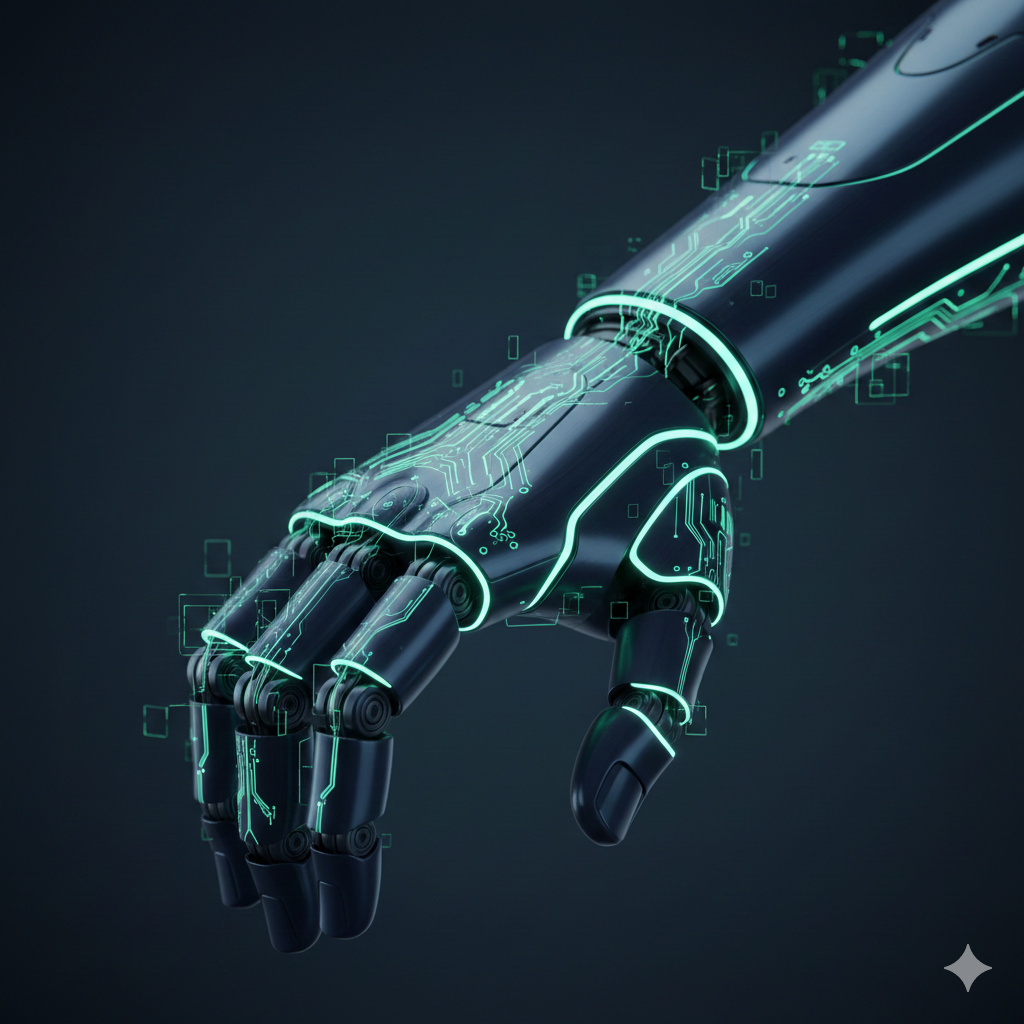
The “brain” has finally found a “body.” In late 2025, we are seeing the true convergence of Large Language Models and Robotics. A prime example is the recent deployment of the Xiaosuan robotic guide dog in the Shenzhen Metro, which uses real-time semantic processing to navigate complex urban environments based on natural language commands. By

As we close out 2025, a massive shift has occurred from global cloud dependency to Sovereign AI. Countries are no longer content using centralized models; instead, they are investing billions to build domestic “digital brains” using their own data, culture, and language. This movement is powered by NVIDIA’s full-stack infrastructure, which has become the gatekeeper
The biggest shift in late 2025 is the move from Generative AI (writing text) to Agentic AI (executing tasks). Unlike standard chatbots, AI agents can now autonomously browse the web, use your terminal, and manage complex workflows like software deployments or inventory management. With the establishment of the Agentic AI Foundation this month, we are
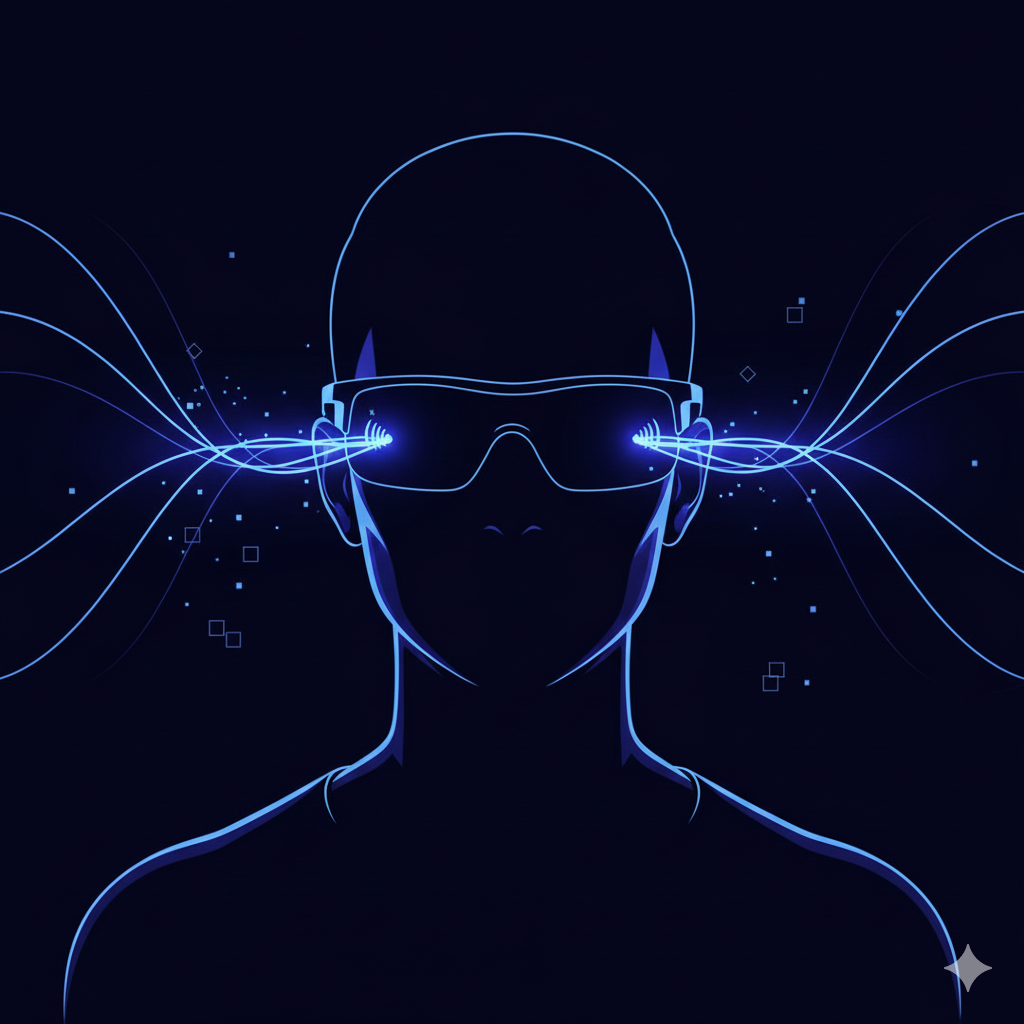
AI is moving out of the browser and into the physical world. A major trend this December is Ambient AI, highlighted by Meta’s release of “Conversation Focus” for smart glasses. This technology uses AI beamforming to isolate and amplify human voices in noisy environments, solving the classic “cocktail party problem”. For geeks, this marks the